
Summary:
What Are the Best Deck Design Trends for 2026
Deck design has shifted away from the “bigger is better” mentality. Homeowners want spaces that fit how they actually live, not just what looks impressive from the street.
Right-sized decks are leading the conversation. These are layouts built around real use, whether that’s morning coffee for two or weekend gatherings for twelve. The focus is on intentional design, not wasted square footage.
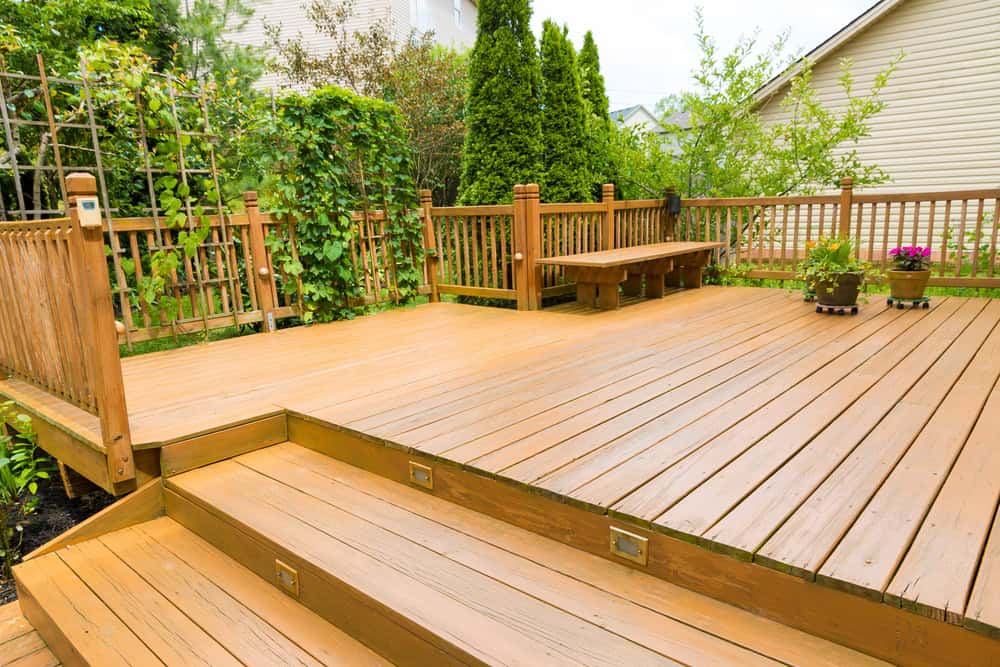
Multi-level layouts are gaining traction in Connecticut, especially for properties with slopes or varied terrain. Instead of one flat surface, you get defined zones: a dining area, a lounge space, maybe a spot for a fire pit. Each level serves a purpose, and the visual interest makes even smaller yards feel more dynamic.
Composite vs Wood Decking: Which Material Lasts Longer
Material choice is where most homeowners either save themselves years of hassle or lock themselves into endless upkeep. Wood and composite both have their place, but they’re not interchangeable.
Wood decking offers that classic look and feel. Cedar, redwood, and pressure-treated pine are common options in Connecticut. The upfront cost is lower, which appeals to budget-conscious homeowners. But here’s what that savings means long-term: you’re looking at sanding, staining, and sealing every one to two years. Miss a season, and you’re dealing with warping, splintering, or rot. Wood absorbs water, and in a climate with freeze-thaw cycles like New London County experiences, that’s a problem waiting to happen.
Composite decking flips that script. It’s made from recycled wood fibers and plastic, engineered to resist moisture, fading, and insect damage. No annual staining. No sealing. You sweep it, wash it occasionally, and that’s it. The upfront cost runs higher—sometimes 20 to 40 percent more than wood—but the math changes when you factor in maintenance. Composite deck owners spend less than an hour per year on upkeep. Wood deck owners? They’re dedicating entire weekends.
Composite also lasts longer. A quality composite deck can go 25 to 50 years with minimal intervention. Wood, even with diligent care, typically maxes out around 15 to 20 years. For Connecticut homeowners dealing with humid summers and harsh winters, composite handles the extremes without breaking down.
There’s also the aesthetic factor. Composite used to look obviously synthetic, but that’s changed. Modern composite decking comes in rich, natural tones—warm browns, weathered grays, even wood-grain textures that mimic the real thing. You get the look without the labor.
If you’re planning to sell within a few years, wood might edge ahead on immediate ROI due to its lower install cost. But if you’re staying put or want to maximize long-term value, composite wins. It adds more dollar value to your home and eliminates the maintenance headache that turns buyers off.
How to Choose the Right Deck Colors and Finishes
Color trends in deck design aren’t just about aesthetics. They affect how your space feels, how hot it gets, and how well it holds up over time.
The shift toward warmer, earth-inspired tones is deliberate. Cedar, walnut, and driftwood hues are replacing the stark grays that dominated a few years ago. These colors blend with natural landscaping and create a more inviting atmosphere. They also help your deck feel like an extension of your home, not a separate structure tacked onto the back.
Lighter tones do more than look good. They reflect heat, which matters during Connecticut summers. Dark decking can get uncomfortably hot underfoot, especially on south-facing decks with full sun exposure. If you’re barefoot or have kids and pets running around, surface temperature becomes a real consideration.
Dual-tone finishes are also gaining popularity. Picture a deck with darker boards framed by lighter trim, or vice versa. It adds visual depth without requiring complex layouts or expensive materials. It’s a simple way to make a standard deck look custom.
Texture plays into this too. Composite manufacturers have moved beyond smooth, uniform surfaces. Now you’ll find wood-grain patterns, hand-scraped textures, and low-gloss finishes that look and feel more authentic. These aren’t just cosmetic upgrades. Textured surfaces improve slip resistance, which is critical around pools or in areas that see rain and snow.
If you’re choosing materials, think about how they’ll age. Composite resists fading better than wood, which can lose its color within a year or two without treatment. Wood needs regular refinishing to maintain its appearance, while composite stays consistent. That consistency matters if you want your deck to look as good in year ten as it did on day one.
The other consideration is how your deck color interacts with your home’s exterior. A deck should complement your siding, trim, and landscaping, not clash with it. If your home has warm brick or natural stone, earth tones work. If you’ve got crisp white or gray siding, cooler tones might be a better fit. It’s worth taking the time to see samples in your actual outdoor space, under natural light, before committing.
How Much Value Does Professional Deck Installation Add to Your Home
A deck is one of the few home improvements that consistently delivers measurable return on investment. But the quality of installation determines whether you see that return or end up with a liability.
Professionally installed decks recoup around 72 percent of their cost at resale, on average. That means a $15,000 deck could add roughly $10,000 to your home’s value. But those numbers assume the deck is built right, meets code, and doesn’t raise red flags during inspections.
DIY or cut-rate installations can backfire. Structural issues, improper drainage, or code violations turn a selling point into a negotiating problem. Buyers notice sagging boards, uneven railings, and water pooling. Their home inspector definitely notices.
Professional installation also means permits, inspections, and compliance with local building codes in Connecticut. Those codes address everything from railing height to load-bearing requirements. A licensed contractor knows what’s required and handles the paperwork. That documentation matters when you sell.
Why Multi-Level Decks Work Better for Connecticut Homes

Multi-level decks aren’t just visually interesting. They solve real problems, especially for properties with challenging terrain or limited space in areas like Windham County and New London County.
If your yard slopes, a multi-level deck can work with the grade instead of requiring extensive grading or retaining walls. Each level steps down naturally, reducing construction costs and creating distinct zones without walls or dividers. You get a dining area on one level, a lounge space on another, and maybe a lower level that connects to the yard.
These designs also make smaller yards feel larger. A single-level deck can look and feel cramped if it’s not expansive. But break that same square footage into two or three levels, and suddenly you have definition, flow, and purpose. Each section has a clear function, which makes the space more usable.
Built-in features work especially well with multi-level layouts. Benches, planters, and storage can be integrated into the structure itself, reducing clutter and maximizing every square foot. You’re not adding furniture that takes up space—you’re building functionality into the design.
Lighting becomes more important with multiple levels. Stairs and elevation changes need proper illumination for safety, especially after dark. Low-voltage LED strips along stair risers or under railings provide guidance without flooding the space with harsh light. It’s functional and atmospheric at the same time.
One thing to watch: multi-level decks require more planning and precision during installation. Each level needs proper support, and stairs must meet code requirements for rise, run, and railing. This isn’t a project where shortcuts work. Done right, though, a multi-level deck transforms a challenging yard into a standout feature.
What Deck Features Make Outdoor Living Spaces More Functional
The difference between a deck you use and a deck that sits empty often comes down to features. Built-in seating, lighting, and privacy elements turn a platform into a living space.
Built-in seating eliminates the need for bulky furniture that shifts, fades, or blows over in storms. Benches integrated into the railing or perimeter of the deck provide permanent seating without eating into usable floor space. Add cushions when you want them, skip them when you don’t. The structure is always ready.
Privacy screens are becoming standard, especially in neighborhoods where homes sit close together. Horizontal slat fencing, decorative metal panels, or strategically placed planters create separation without making the space feel closed off. You get the benefit of being outdoors without feeling like you’re on display.
Lighting extends how long you can use your deck. Soft, layered lighting under railings, along stairs, or beneath built-in seating creates ambiance without glare. It’s not about flooding the space with light—it’s about guiding movement and setting a mood. Smart controls let you adjust brightness or set timers, so your deck is always ready when you are.
Outdoor kitchens and dining areas are also trending, though they require reinforced framing to support the weight of grills, countertops, and appliances. Plumbing and gas lines need to meet code, and you’ll want weather-resistant materials that hold up to heat, moisture, and grease. Done right, an outdoor kitchen turns your deck into a full-function entertainment space.
Fire pits and built-in heaters extend the season. Connecticut’s fall and spring evenings are perfect for outdoor gatherings, but only if you’re comfortable. A fire feature adds warmth and becomes a natural gathering point. Just make sure your contractor accounts for clearance requirements and proper ventilation during the design phase.
The key with any feature is integration. Tacked-on additions look like afterthoughts. Features built into the deck from the start feel intentional and cohesive. That’s the difference between a deck that works and one that just exists.
Finding the Right Deck Builder in New London County, CT
Your deck should fit your life, your property, and your budget. That means weighing materials, design, and installation quality against what you actually need.
Composite decking makes sense if you want low maintenance and long-term durability. Wood works if you’re selling soon or prefer the traditional look and don’t mind the upkeep. Multi-level designs solve terrain challenges and create functional zones. Built-in features turn a basic deck into a true outdoor living space.
The installation matters as much as the design. Proper permits, code compliance, and quality craftsmanship protect your investment and ensure your deck adds value instead of creating problems down the line.
If you’re ready to explore what’s possible for your outdoor space, we bring over 20 years of experience to every project. We handle everything from design through installation, with the kind of attention to detail that turns a good deck into one you’ll use for decades.