
Summary:
Interior Warning Signs Your Roof Is Failing
Most people don’t spend much time in their attic. That’s exactly why interior damage often goes unnoticed until it’s serious.
Water doesn’t always drip straight down from where it enters. It travels along rafters, runs down insulation, and shows up in places that make you think the problem is somewhere else entirely. That’s why interior signs are so important—they tell you something’s wrong even when you can’t see the roof itself.
Start by looking at your ceilings and walls. Brown or yellow stains that look like rings or patches are your roof telling you it’s leaking. These stains grow over time. If you’re seeing them, water has already been getting in for a while. Peeling paint or bubbling drywall near the ceiling line also points to moisture coming from above.
What to Check in Your Attic After Connecticut Storms

Your attic is where you’ll catch problems before they destroy your ceilings. Go up there with a flashlight during daylight hours—if you see light streaming through cracks in the roof boards, you’re looking at gaps that let in water too.
Check your insulation. Damp or compressed insulation means water is getting through. Look at the wood framing and roof decking. Dark stains, soft spots, or visible mold on the wood are red flags that can’t be ignored. These indicate ongoing moisture problems that compromise your roof’s structural integrity.
Pay attention to smells. A musty odor in your attic signals mold or mildew growth from excess moisture. This isn’t just a roof problem—it’s a health concern that needs professional attention. The longer moisture sits in your attic, the more damage it causes to insulation, wood framing, and eventually your home’s structure.
Connecticut winters create specific attic problems you won’t see in milder climates. Look for “shiners”—exposed nails that frost up when warm air from your living space hits cold attic air. When temperatures rise during the day, that frost melts and drips, creating small leaks that add up over time. This freeze-thaw cycle is constant here and accelerates roof deterioration.
After heavy snow or ice storms, check for sagging or bowing in your roof decking. Connecticut snow is wet and heavy—about 21 pounds per square foot when saturated. Most residential roofs are designed to handle only 20 pounds per square foot. Multiple storms without complete melting between them can overload your roof structure, and your attic will show the stress first.
Don’t forget to inspect around penetrations like vent pipes, chimneys, and skylights from the attic side. These are common leak points where flashing fails or seals deteriorate. Look for water trails, stains, or damp insulation around these areas. Even small leaks here can cause extensive damage because water follows the path of least resistance through your roof layers.
Ice Dam Damage Signs Connecticut Homeowners Can't Ignore
Winter 2026 has been brutal for ice dams across Connecticut. Roofing contractors report this is the worst season in years, with calls for ice dam damage up 65% compared to recent winters. If you don’t know what ice dams do to roofs, you’re not alone—but you need to understand this fast.
Ice dams form when heat escapes from your attic and melts snow on the upper roof. That water runs down to the colder roof edges and refreezes, creating a dam that traps water behind it. With nowhere to go, that water backs up under your shingles and into your home. The average ice dam insurance claim in Connecticut exceeds $30,000 because the damage isn’t just to your roof—it’s to your ceilings, walls, insulation, and everything water touches.
Look for large icicles hanging from your gutters or roof edge. While icicles look pretty, they signal that melting and refreezing is happening. Check your soffits and fascia for water stains or ice buildup. Inside, watch for ceiling stains that appear during or after cold snaps, especially in upper-floor rooms or near the roof edge.
Connecticut changed roofing codes in 2018 to require waterproof layers above living spaces specifically because of ice dam problems. If your roof predates 2018, you’re more vulnerable to ice dam damage. Older roofs simply weren’t built with the protection needed for the freeze-thaw cycles we experience here.
If you notice water stains that appear during winter but not during rain, ice dams are likely the culprit. The water intrusion happens when temperatures hover in the low 20s for several days with several inches of snow on the roof—conditions we see repeatedly in New London County and Windham County winters.
The damage from ice dams isn’t always immediate. Water that gets past your shingles saturates the underlayment and roof decking. Even after the ice melts, that moisture remains trapped in your roof layers, creating perfect conditions for mold growth and wood rot. By the time you see interior damage, the problem has been developing for weeks.
Don’t wait for interior damage to appear. If you’re seeing ice buildup patterns on your roof edges, massive icicles, or water stains that come and go with temperature changes, you need a professional assessment. The longer ice dams persist, the more damage they cause—and the more expensive repairs become.
Exterior Roof Damage You Can Spot from the Ground
You don’t need to climb on your roof to see problems. In fact, you shouldn’t—roof inspections are best left to professionals with proper safety equipment. But you can spot plenty of warning signs from your yard or with binoculars.
Start with your shingles. Missing shingles are obvious, but other damage is subtle. Look for shingles that are curling at the edges, lying flat but cracked down the middle, or showing bare spots where the granules have worn away. These granules aren’t just cosmetic—they protect the asphalt underneath from UV damage. Once they’re gone, deterioration accelerates rapidly.
Check your gutters. If you’re finding shingle granules collecting in your gutters or downspouts, your shingles are breaking down. Some granule loss is normal when shingles are new, but large quantities appearing regularly mean your roof is aging and losing its protective layer. While you’re looking at gutters, check for sagging or pulling away from the house—this can indicate water damage to the fascia board behind them.
Flashing Failures and Penetration Problems
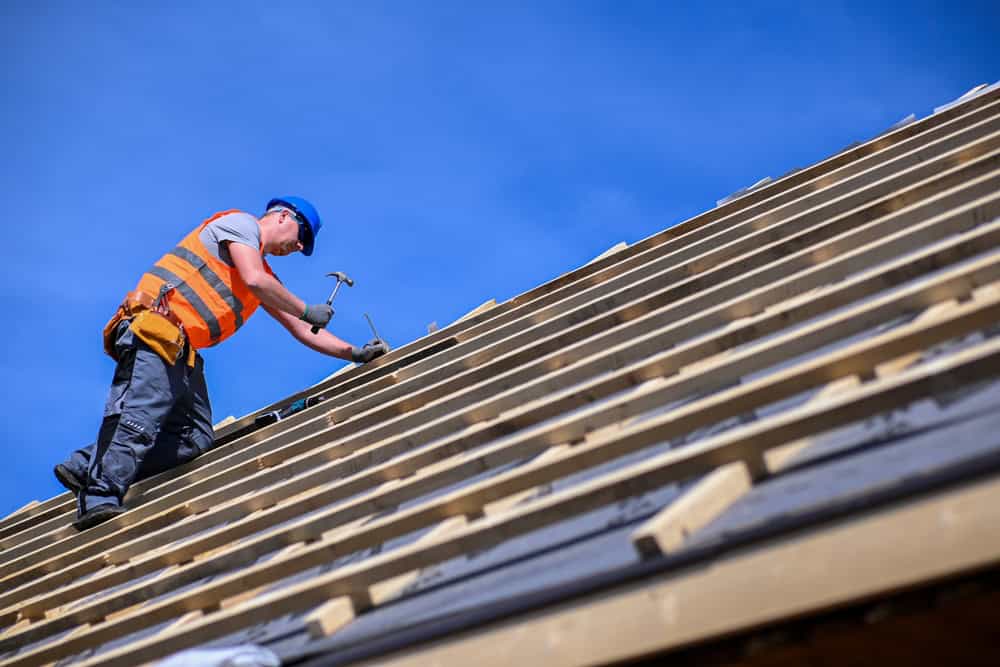
Flashing is the thin metal material that seals the joints where your roof meets chimneys, vents, skylights, and walls. It’s one of the most common failure points on any roof, and Connecticut weather is particularly hard on it.
Look at the flashing around your chimney. Rust, gaps, or flashing that’s pulling away from the chimney or roof surface all spell trouble. Galvanized steel flashing is especially prone to rusting through at the 90-degree bends. Even small gaps in flashing allow water to pour into your home during rainstorms.
Check the rubber boots around vent pipes sticking through your roof. These boots can crack, tear, or rot away over time. Look for cracks in plastic bases or broken seams in metal bases. If the rubber surrounding the pipe looks deteriorated or torn, water is working its way into your house along that pipe every time it rains.
Skylights are beautiful but notorious for leaking. Look for gaps between the skylight and roof, deteriorated sealant, or condensation inside the skylight that might indicate seal failure. Water stains on the ceiling around your skylight often mean the flashing has failed, not that the skylight itself is broken.
Roof valleys—where two roof planes meet—handle massive water volumes during storms. These areas experience concentrated water flow and debris accumulation, making them prone to failure. From the ground, look for shingles in valleys that appear worn, separated, or damaged. Debris like leaves collecting in valleys needs to be cleared because it traps moisture and accelerates deterioration.
Connecticut’s coastal storms bring wind-driven rain that finds every weakness in your flashing system. Even properly installed flashing needs periodic inspection and maintenance. The combination of salt air near the coast, temperature extremes, and severe weather means flashing components don’t last as long here as they do in gentler climates.
If you can see daylight through any gaps around chimneys, vents, or where your roof meets walls, that’s an immediate problem. Water follows the same path as light. Professional flashing replacement ensures correct overlap, proper sealant, and appropriate metal gauge for Connecticut conditions. This isn’t a DIY repair—improperly installed flashing fails quickly and causes more damage than it prevents.
Storm Damage Signs After Connecticut Weather Events
New London County and Windham County sit right in the path of nor’easters, coastal storms, and occasional hurricanes. After any major weather event, you need to inspect your roof—or have a professional do it.
Wind damage shows up as missing shingles, shingles lifted at the edges, or dark patches on your roof where shingles have blown off entirely. High winds can tear shingles completely away or lift them enough to break the seal, making them vulnerable to the next storm. You might find shingles in your yard, stuck in trees, or scattered across your property.
Hail damage is trickier to spot from the ground. Look for dents in metal roof vents, gutters, or downspouts—these indicate hail hit with enough force to damage your shingles too. Hail creates small impacts that puncture the protective barriers of your roof, leading to leaks that may not show up until weeks or months later. If your neighbors are filing hail damage claims, you should have your roof inspected even if you don’t see obvious damage.
Fallen tree branches or debris can puncture your roof, creating immediate openings that need emergency attention. Even branches that don’t puncture the roof can scratch away shingle granules, strip protective layers, and leave your roof vulnerable to UV damage and water intrusion. After storms with high winds, walk your property and look for any debris that hit your roof.
Connecticut storms dump significant rainfall in short periods. After heavy rain, look for ponding water on flat or low-slope sections of your roof. Water that doesn’t drain properly indicates problems with your roof’s slope, drainage system, or structural integrity. Standing water accelerates roof deterioration and often signals bigger issues underneath.
Check for lifted or damaged flashing after wind events. Strong winds can bend flashing, break seals, and create gaps that weren’t there before the storm. These new vulnerabilities let water in immediately—you don’t want to wait until the next rain to discover them.
Don’t ignore minor storm damage. What looks like a few missing shingles or small dents can be the entry point for water that causes thousands in damage. Connecticut weather doesn’t give damaged roofs time to recover between storms. The next nor’easter or coastal storm is always coming, and each one makes existing damage worse.
Many homeowners don’t realize that 26% of roofing projects get covered by insurance, but only when damage is properly documented. After storm events, take photos of any visible damage, note the date and type of storm, and contact a professional roofer for a thorough inspection. This documentation becomes crucial if you need to file an insurance claim.
Getting Professional Help Before Small Problems Become Expensive Disasters
Here’s what you need to remember: Connecticut weather is relentless on roofs. What might last years in a milder climate becomes a major problem in months here. Ice dams, coastal storms, temperature swings, and heavy snow loads don’t wait for convenient timing.
The warning signs are there—water stains, missing shingles, granule loss, flashing problems, ice dam damage. You’ve learned what to look for inside your attic and what you can spot from the ground. The question isn’t whether these signs matter. It’s whether you’ll catch them before they turn into emergency repairs.
Early detection saves thousands. A small leak caught now is a repair. That same leak ignored becomes rotted decking, destroyed insulation, mold remediation, and interior repairs on top of roof work. Professional assessment identifies problems you can’t see and gives you a clear picture of what’s happening with your roof.
We’ve spent over 20 years helping New London County and Windham County homeowners protect their properties from Connecticut weather. If you’re seeing any of these warning signs—or if you just want peace of mind after this winter’s ice dam damage—reach out to us for a professional inspection and honest assessment of what your roof needs.