
Summary:
Why Energy Efficient Windows Matter for Connecticut Homes
Connecticut’s climate doesn’t mess around. Winter temperatures regularly drop below freezing, sometimes hitting single digits or lower. Summers bring heat and humidity that test your cooling system’s limits. Your windows sit right in the middle of this temperature battle.
Old windows—especially single-pane models or those installed before 1990—simply can’t keep up. They let heat escape in winter and allow it to flood in during summer. That forces your HVAC system to run longer and work harder, which shows up directly on your utility bill.
Energy-efficient windows flip that script. They’re built with features like double or triple-pane glass, Low-E coatings, and gas fills between panes that create a thermal barrier. That barrier keeps your conditioned air inside where it belongs, so your heating and cooling systems can actually rest.
How much energy do new windows save on heating and cooling costs
Real numbers matter when you’re making this kind of investment. According to ENERGY STAR data, replacing single-pane windows with certified energy-efficient models can lower your household energy bills by about 13% annually. For Connecticut homeowners specifically, that often translates to $125 to $465 in savings each year, depending on your home’s size, current window condition, and energy usage.
Let’s put that in perspective. If you’re currently spending $200 per month on heating and cooling—pretty typical in Connecticut—that’s $2,400 annually. A 13% reduction means roughly $312 back in your pocket every year. Over a decade, you’re looking at $3,120 in savings, and that’s a conservative estimate.
Homes with single-pane windows or those built before 1990 often see even bigger improvements. Some New London County, CT homeowners report savings approaching 22% of their heating and cooling costs after upgrading to triple-pane windows with proper installation. The exact number depends on factors like your home’s insulation, how much you run your HVAC, and local energy rates—but the direction is always the same. Less waste, lower bills.
The benefits go beyond the monthly statement. Your HVAC system doesn’t have to work as hard, which means less wear and tear and potentially fewer repair calls. You’re also reducing your home’s overall energy consumption, which has environmental benefits if that matters to you. But honestly, most homeowners care most about the immediate comfort and the money that stays in their account instead of going to the utility company.
Connecticut also offers financial incentives that improve the math even further. The Energize Connecticut program provides $100 rebates per window when you replace single-pane windows with ENERGY STAR-certified triple-pane models. Federal tax credits cover 30% of installation costs, up to $600. Those incentives can offset a meaningful chunk of your upfront investment, shortening the payback period considerably.
What features make windows energy efficient in cold climates
Not all windows are built the same, and Connecticut’s climate demands specific features. When you’re shopping for energy-efficient windows, you’ll encounter terms like U-factor, Low-E coatings, and gas fills. These aren’t just marketing buzzwords—they’re the actual features that determine how well your windows perform when temperatures drop.
The U-factor measures how well a window prevents heat from escaping. Lower numbers are better. For Connecticut’s northern climate zone, ENERGY STAR recommends windows with a U-factor of 0.27 or lower. That rating tells you the window can actually resist heat flow, keeping your warm air inside during those brutal January nights when temperatures plunge below zero.
Low-E (low-emissivity) coatings are thin metallic layers applied to the glass. They work by reflecting heat back into your home during winter and blocking heat from entering during summer. It’s like having an invisible shield that adapts to the season. These coatings also block UV rays, which protects your furniture and flooring from fading—a nice bonus that most people don’t think about until they notice sun damage.
Gas fills between window panes add another layer of insulation. Most energy-efficient windows use argon gas, which is denser than regular air and slows heat transfer. It’s colorless, odorless, and completely safe. Some premium windows use krypton gas, which offers even better insulation but costs more. For most New London County, CT homes, argon-filled double or triple-pane windows provide excellent performance at a reasonable price point.
Frame material matters too, especially in coastal areas where salt air and humidity can damage inferior materials. Vinyl and fiberglass frames resist corrosion, don’t warp with temperature changes, and provide good insulation. Wood frames offer natural insulation and classic aesthetics but require more maintenance, particularly in Connecticut’s variable climate. Aluminum frames conduct heat and cold easily, making them a poor choice for energy efficiency despite their durability.
Triple-pane windows Connecticut homeowners are choosing take insulation to the next level. With three layers of glass and two gas-filled spaces, they can reduce heat loss by up to 30% compared to double-pane windows. They also significantly reduce outside noise, which is valuable if you live near busy roads or in densely populated areas. The extra upfront cost often pays off in both comfort and energy savings, especially if you’re replacing very old single-pane windows.
Best Window Types for Connecticut Weather Conditions
Choosing the right window style affects both performance and your home’s appearance. Different window types offer different benefits, and what works best depends on your home’s architecture, your budget, and how you use each space.
Double-hung windows are the most common choice in Connecticut homes. Both sashes move up and down, making them easy to clean and providing good ventilation control. They fit traditional home styles and come in a wide range of sizes and materials. They’re also typically more affordable than specialty windows, which matters when you’re replacing multiple units.
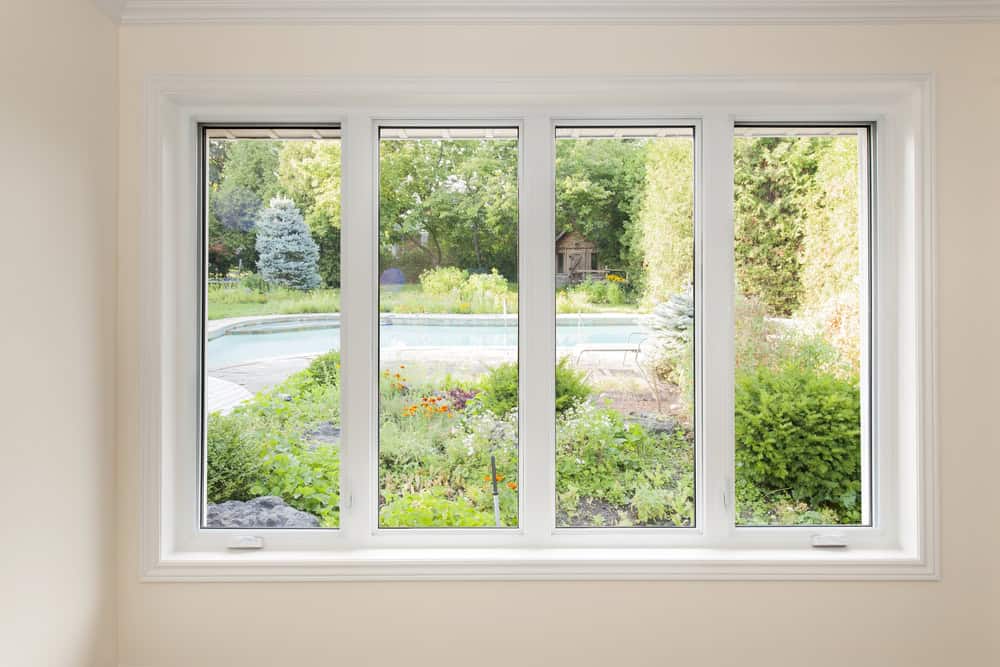
Casement windows crank open outward, creating a tight seal when closed. That seal makes them particularly energy-efficient because there’s less opportunity for air leakage. They’re ideal for catching breezes and work well in kitchens or bathrooms where ventilation matters. The crank mechanism does require occasional maintenance, but the energy performance often justifies that minor inconvenience.
Why professional window installation matters for energy efficiency
You can buy the most energy-efficient windows on the market, but if they’re not installed correctly, you won’t get the performance you paid for. Installation quality directly determines whether your windows actually deliver the energy savings, comfort improvements, and durability you expect.
Proper installation starts with accurate measurements. Windows that don’t fit the opening correctly create gaps that allow air and moisture infiltration. Even small gaps can cause drafts, water damage, and significant energy loss. We measure multiple points—width at top and bottom, height on both sides and center—to account for openings that aren’t perfectly square, which is common in older Connecticut homes.
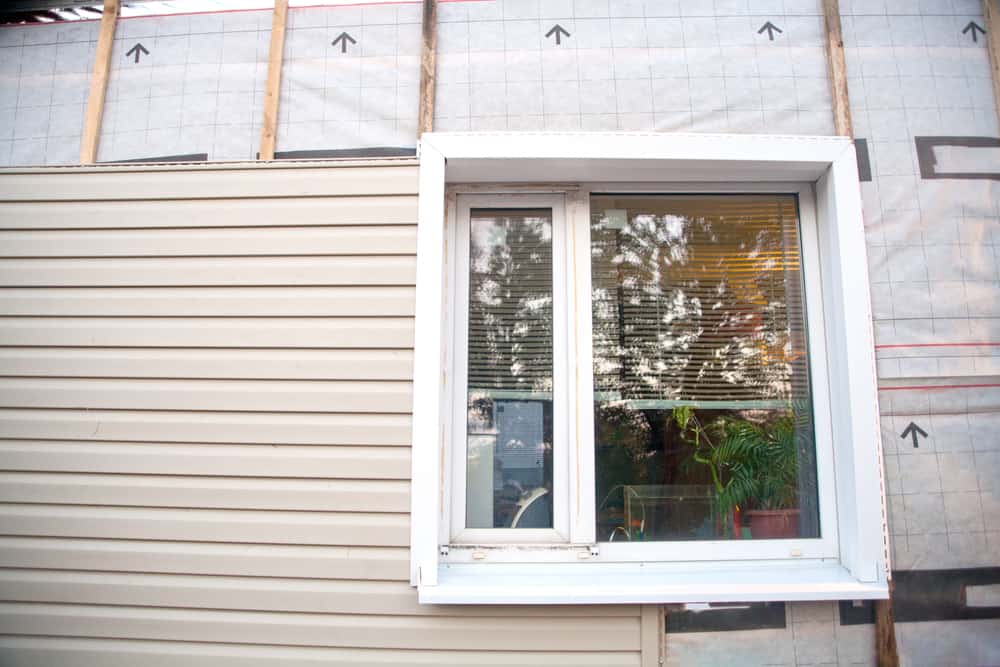
Sealing and weatherproofing separate good installations from poor ones. Quality installers use specialized sealants to create airtight barriers between your home and the window frame. We apply weather-resistant barriers and flashing around the opening to prevent water intrusion, which is critical in Connecticut’s climate where rain, snow, and ice can find their way into the smallest gaps.
The window needs to be level and plumb—perfectly horizontal and vertical—for proper operation and sealing. We use levels and shims to make fine adjustments, ensuring the window sits correctly in the frame. A window that’s even slightly off-level can be difficult to open and close, may not seal properly, and can develop operational problems over time.
Proper insulation around the window frame maximizes energy efficiency. We fill gaps with low-expansion foam, not the standard expanding foam that can warp frames and damage window operation. We understand how much foam to use and where to apply it for optimal insulation without creating problems. This attention to detail makes the difference between windows that perform as advertised and windows that disappoint.
Connecticut’s coastal areas, including parts of New London County, CT, present additional installation challenges. Salt air accelerates corrosion, wind exposure tests sealing quality, and humidity can cause moisture problems if flashing isn’t installed correctly. As experienced local installers, we understand these specific conditions and adjust our techniques accordingly. We know which materials hold up best in coastal environments and how to protect your investment from the elements.
Installation mistakes are surprisingly common, even among contractors who claim experience. Incorrect measurements lead to ill-fitting windows. Inadequate sealing allows air and water leaks. Poor flashing adherence causes moisture intrusion and potential mold growth. Over-tightening or under-tightening fasteners affects structural integrity and window operation. Ignoring manufacturer instructions can void warranties and cause premature failure.
What happens during professional window replacement
Understanding the installation process helps you know what’s normal and what deserves your attention. Most window replacement projects for an average Connecticut home take one to two days, depending on the number of windows and any complications that arise. The window installation cost in Connecticut typically ranges from $600 to $1,200 per window installed, including both materials and professional labor.
The process typically starts with a thorough assessment of your existing window openings. We check for structural issues, water damage, or settling that could affect the new windows’ performance. In homes built before 1978, we also follow EPA RRP lead-safe work practices, which add time and cost but protect your family’s health.
Removal of old windows comes next. We work carefully to minimize damage to surrounding trim and siding. We protect your home’s interior with drop cloths and take precautions to control dust and debris. If we discover rot or damage in the window frame or surrounding structure during removal, we’ll address those issues before installing the new windows—which is one reason why choosing experienced contractors matters.
Installation of new windows involves multiple steps that must be done in the correct order. We prepare the opening, apply weather-resistant barriers and flashing, set the window in place, check for level and plumb, secure it with appropriate fasteners, apply sealant around the perimeter, insulate gaps, and install trim. Each step requires attention to detail and proper technique.
Weather can affect scheduling, especially during Connecticut’s winter months. We plan installations during favorable conditions whenever possible to ensure quality work and minimize disruption to your home. We understand that rushing installation in poor weather conditions increases the risk of mistakes that compromise performance.
After installation, we test each window to ensure smooth operation and proper sealing. We clean up thoroughly, removing all debris and old materials. We walk you through care and maintenance recommendations and explain warranty coverage. This final step separates professional installations from rushed jobs that leave homeowners dealing with problems later.
The investment in professional installation pays off in multiple ways. You get windows that perform as advertised, delivering the energy savings and comfort improvements you expected. You avoid the common installation mistakes that lead to drafts, leaks, and premature failure. You have warranty protection that covers both the product and the labor. And you have peace of mind knowing the job was done right the first time.
Getting Started with Window Replacement in New London County
Energy-efficient windows aren’t just an upgrade—they’re an investment that pays dividends in comfort, savings, and home value for years to come. The right windows, properly installed, transform how your home feels every single day. No more cold drafts in winter. No more rooms that overheat in summer. Just consistent, comfortable temperatures and lower energy bills month after month.
The key is matching quality products with professional installation. Connecticut’s climate demands windows that can handle temperature extremes, and coastal areas like New London County, CT and Windham County, CT require materials and installation techniques that resist salt air and moisture. Working with experienced local contractors who understand these specific challenges ensures you get the performance you’re paying for.
With over 20 years of experience serving New London County, we combine quality materials, skilled craftsmanship, and customer-focused service that makes the difference. We understand Connecticut’s climate demands and deliver window installations that perform exactly as promised—with the warranties and transparent communication that give you confidence in your investment.