Summary:
Understanding Connecticut Roofing Contractor Requirements
Connecticut doesn’t require roofers to hold a specific trade license the way electricians or plumbers do. But that doesn’t mean anyone can legally install your roof without oversight. If a contractor is doing work on residential property valued over $200, they must be registered with the Connecticut Department of Consumer Protection as a home improvement contractor.
Registration isn’t the same as licensing, but it’s still a legal requirement. And it comes with real accountability. Registered contractors must carry at least $20,000 in general liability insurance, display their registration number on all advertising and vehicles, and follow specific contract requirements. If they fail to complete work properly, you may qualify for reimbursement through the state’s Home Improvement Guaranty Fund.
Before you hire anyone, verify their registration through the state’s eLicense system. It takes two minutes and can save you from hiring someone operating illegally. Ask for their registration number upfront. If they hesitate or can’t provide it, that’s your first red flag.
Why insurance coverage protects you from costly mistakes

Insurance isn’t just a box to check. It’s your financial protection if something goes wrong. And on a roofing project, things can go wrong in ways you wouldn’t expect.
Let’s say a worker falls off your roof and gets injured. If the roofing contractor doesn’t carry workers’ compensation insurance, you could be held liable for medical bills, lost wages, and more. Or imagine a crew accidentally damages your home’s siding, breaks a window, or causes water damage during tear-off. Without adequate general liability coverage, you’re paying out of pocket to fix it.
Connecticut requires home improvement contractors to carry at least $20,000 in general liability insurance. That’s the legal minimum, but many reputable contractors carry significantly more. When you’re comparing quotes, ask each contractor for proof of insurance—specifically, a certificate of insurance that lists you as an additional insured party. Don’t just take their word for it. Call the insurance company and verify the policy is active.
Bonding is less common in Connecticut for residential roofing, but some contractors offer it as an extra layer of protection. A bond guarantees that if the contractor fails to complete the work or violates the contract, you have recourse to recover your money. It’s not required by law, but it’s a sign of a contractor who’s willing to stand behind their work.
Here’s what most homeowners don’t realize: if you hire an uninsured contractor to save money, you’re not saving anything. You’re gambling. One accident, one mistake, and you could be facing legal action or repair costs that dwarf what you would have paid a legitimate roofing contractor in the first place.
How to verify a roofing contractor's local experience and reputation
Experience matters, but not all experience is equal. A roofing contractor who’s been in business for 20 years in Connecticut understands things a newcomer doesn’t. They know how coastal salt air accelerates wear in New London County, CT. They’ve seen how freeze-thaw cycles create problems that don’t show up until spring. They understand building codes, permit requirements, and how to work with local inspectors.
But years in business alone don’t tell the whole story. You want to know if they have experience with your type of roof, your type of home, and your specific situation. Are they familiar with the architectural style common in your area? Have they worked on homes built in the same era as yours? Do they have a track record with the materials you’re considering?
Reputation is harder to fake than a website or a sales pitch. Start by asking for references—not just names, but recent projects similar to yours. Call those references and ask specific questions. Did the crew show up on time? Was the site kept clean? Were there any surprises with cost or timeline? Would they hire this contractor again?
Online reviews matter, too, but read them critically. Look for patterns, not individual complaints. Every contractor will have a bad review or two—what matters is how they responded and whether the same issues come up repeatedly. Check the Better Business Bureau, Google reviews, and local community forums. Pay attention to how long they’ve been building their reputation in your specific area.
Don’t ignore your gut. If a roofing contractor is pushy, vague about details, or dismissive of your questions, that’s how they’ll be throughout the project. You want someone who listens, explains things clearly, and treats your home with the same care they’d treat their own.
What You Need to Know About Roofing Warranties and Materials
A warranty is only as good as the company standing behind it. And in roofing, there are usually two warranties at play: one from the manufacturer covering the materials, and one from the contractor covering the installation.
Manufacturer warranties typically cover defects in the shingles or roofing material itself—things like premature cracking, granule loss, or manufacturing flaws. These warranties can range from 20 to 50 years depending on the product. But here’s the catch: most of them are prorated after the first 10 years, meaning you’re only covered for a percentage of the replacement cost as time goes on.
Workmanship warranties cover installation errors—things the crew did wrong that lead to leaks, blow-offs, or premature failure. This is where contractor reputation really matters. A one-year workmanship warranty is standard, but better contractors offer longer coverage. Some offer 10 years or more because they’re confident in their work. If a roofing contractor won’t offer any workmanship warranty, walk away.
Why GAF certification matters when choosing a roofer
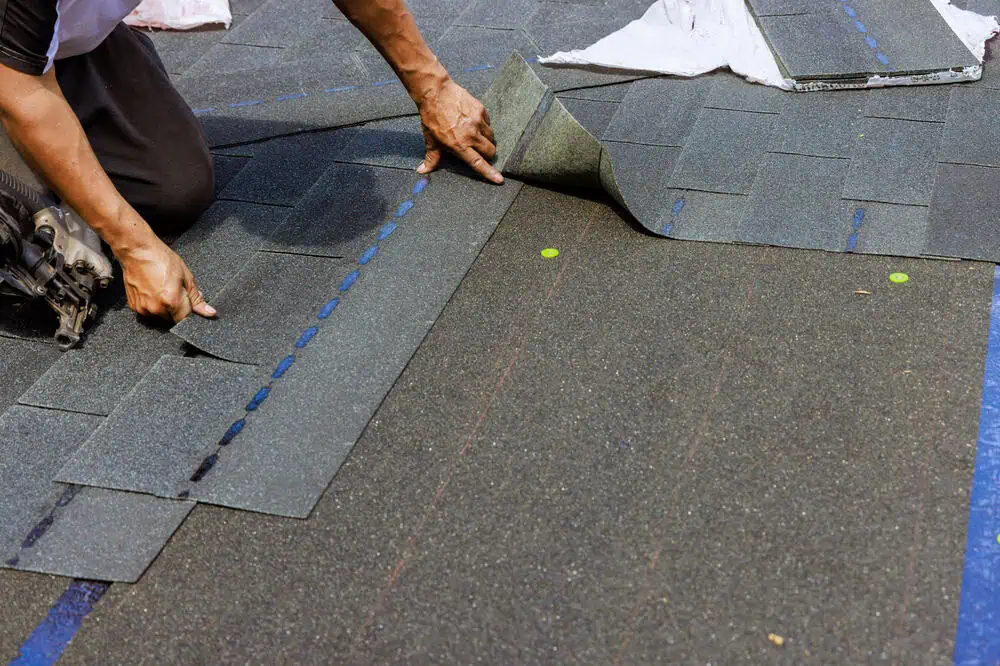
Not all roofing contractors have the same relationship with manufacturers. Some just buy materials from a supplier and install them. Others pursue formal certifications that come with training, standards, and enhanced warranty options.
GAF is North America’s largest roofing manufacturer, and their certification program has multiple levels. Only about 2-3% of roofing contractors achieve GAF Master Elite status, which requires meeting strict standards for licensing, insurance, customer satisfaction, and ongoing training. Master Elite contractors can offer homeowners GAF’s Golden Pledge warranty, which includes up to 50 years of material coverage and 25 years of workmanship coverage backed directly by GAF—not just the contractor.
Even contractors working toward GAF certification demonstrate a commitment to quality and industry standards. It shows they’re invested in staying current with installation techniques , product knowledge, and best practices. Certification isn’t everything, but it’s a meaningful indicator that a contractor takes their craft seriously.
When evaluating roofing contractors, ask about their manufacturer relationships. Do they have preferred partnerships? Can they offer enhanced warranties? Are they trained on the specific products they’re recommending for your home? A contractor who’s deeply familiar with the materials they install is less likely to make costly mistakes.
Materials matter, too. Connecticut’s climate is tough on roofs—harsh winters, coastal humidity in areas like New London County, CT, UV exposure in summer, and rapid temperature swings. The right shingle or roofing system needs to handle all of it. A knowledgeable roofing contractor will recommend materials based on your home’s specific needs, not just what’s cheapest or easiest for them to install.
What every roofing contract should include before work begins
A detailed, written contract is your most important protection. Connecticut law requires specific elements in every home improvement contract, and understanding what should be included helps you spot contractors cutting corners.
Your contract must include the contractor’s registration number, a detailed description of the work to be performed, a start date and estimated completion timeline, the total cost broken down by labor and materials, and a payment schedule. It must also include a notice of your three-day right to cancel. You have until midnight of the third business day (including Saturday) to cancel any home improvement contract without penalty.
But a good contract goes beyond the legal minimums. It should specify the exact materials being used—brand names, product lines, colors, and quantities. It should outline who’s responsible for obtaining permits and how inspections will be handled. It should address how changes or unexpected issues (like rotted decking) will be handled and billed. It should clarify cleanup procedures, disposal of old materials, and protection of your landscaping and property.
Payment terms matter more than most homeowners realize. Never pay the full amount upfront. A reasonable payment schedule might include a deposit to order materials, a progress payment when work begins, and final payment upon completion and your satisfaction. Be wary of contractors who demand large upfront payments or want cash only.
Ask about warranties in writing. What’s covered, for how long, and what’s your process if something goes wrong? Get copies of both the manufacturer’s warranty and the contractor’s workmanship warranty before work begins, not after.
If anything feels unclear or rushed, slow down. A roofing contractor who pressures you to sign quickly or dismisses your questions isn’t someone you want on your roof. Take time to read everything, ask for clarification, and compare contracts from multiple contractors. The details protect you when problems arise.
Choosing the Best Roofing Contractor for Your Home
Choosing a roofing contractor doesn’t have to be overwhelming once you know what matters. Verify their registration with the state. Confirm they carry adequate insurance. Check their reputation through references and reviews. Understand what warranties they offer and get everything in writing. Ask questions about their experience with Connecticut’s weather challenges and the specific materials they recommend for your home.
The right roofing contractor will welcome your questions, provide clear answers, and give you confidence that your project is in capable hands. They’ll understand that your roof isn’t just shingles and nails—it’s protection for your family and your biggest investment.
We’ve been serving homeowners in New London County, CT and Windham County, CT for over 20 years with the kind of straightforward, quality-focused approach that builds trust. When you’re ready to move forward with your roofing project, start with the right questions and choose a contractor who’s committed to doing the job right.