
Summary:
Why Gutter Installation Matters for Connecticut Homes
Water doesn’t just disappear when it runs off your roof. Without a functioning gutter system, it pours straight down onto the ground around your foundation. Over time, that water saturates the soil, creates pressure against your basement walls, and finds every crack or weak point to seep through.
Connecticut’s climate makes this even worse. Heavy spring rains dump inches of water in short bursts. Winter snowmelt sends steady streams off your roof for weeks. Fall leaves clog systems right before the wettest months. A properly installed gutter system collects all that water and moves it away from your home—protecting your foundation, preventing basement flooding, and saving you from repair bills that can easily hit five figures.
The right installation also matters because Connecticut sees freeze-thaw cycles that destroy poorly installed systems. When gutters aren’t pitched correctly or hangers aren’t spaced for snow loads, ice dams form, gutters pull away from fascia boards, and water backs up under your shingles instead of flowing away.
Seamless vs Sectional Gutter Systems

When you’re looking at gutter installation , you’ll encounter two main types: sectional and seamless. Sectional gutters come in pre-cut pieces that connect together with joints, brackets, and sealants every 10 to 20 feet. They’re cheaper upfront, but those connection points are exactly where problems start.
Seamless gutters are custom-fabricated on site in continuous sections. The only joints are at corners and where downspouts connect. This dramatically reduces leak points and makes the entire system more durable. For New London County homes, seamless systems handle heavy rainfall and ice better because there aren’t weak seams collecting debris or breaking down under pressure.
The cost difference is real—seamless installation typically runs 20 to 40 percent more than sectional systems. But when you factor in fewer repairs, less maintenance, and longer lifespan, the total cost over 15 to 20 years usually favors seamless. You’re not just buying gutters. You’re buying fewer problems.
Material choice matters too. Aluminum is the most common because it resists rust, comes in multiple colors, and handles Connecticut weather well. Copper costs more but lasts 25-plus years and develops a distinctive patina. Galvanized steel offers strength for homes that see heavy snow loads. Your choice depends on your budget, your home’s style, and how long you plan to stay in the house.
Installation quality makes or breaks any system. Gutters need proper pitch—usually a quarter inch of slope for every 10 feet—so water flows toward downspouts instead of pooling. Hangers must be spaced correctly to support snow and ice weight without sagging. And downspouts need to direct water at least six feet from your foundation, sometimes more depending on your property’s grading.
K-Style vs Half-Round Gutters: Which Works Better in CT
K-style gutters are what you see on most modern homes. They have flat backs and bottoms with a decorative front edge that looks a bit like crown molding. The flat back makes them easy to mount directly to fascia boards, and their shape holds more water than other styles. For Connecticut homes dealing with heavy rain and snowmelt, that extra capacity helps prevent overflow during storms.
Half-round gutters look exactly like they sound—half of a tube. They’re common on older homes and historic properties because that’s what was standard before the 1950s. The smooth, rounded interior means debris flows through more easily and corrosion has fewer places to start. They require specialized hangers and brackets since they don’t have a flat mounting surface, which makes installation more complex and often more expensive.
Both styles work in Connecticut. K-style gutters handle high water volume better, which matters during nor’easters and spring downpours. Half-round gutters are easier to clean and less prone to clogs, which matters if you have a lot of trees. Your choice often comes down to your home’s architecture and your maintenance preferences.
Size matters as much as style. Five-inch gutters are standard for most homes, but six-inch systems handle more water and work better for properties with steep roofs or large roof areas that concentrate runoff. In areas like Windham County where snow loads are heavier, the larger size also provides more capacity when snowmelt combines with rain.
Color and finish affect more than just appearance. Darker colors absorb more heat, which can help melt ice faster in winter but may fade more quickly in summer sun. Lighter colors stay cooler but show dirt more easily. Most quality systems use baked-on finishes that resist peeling and fading for 15 to 20 years, but cheaper painted finishes start looking rough within five years. It’s worth paying for the better finish, especially on the sunny sides of your home.
Seasonal Gutter Maintenance Tips for Connecticut Homeowners
Connecticut’s four distinct seasons each bring specific challenges for your gutters. Spring means pollen, seed pods, and the debris that worked loose during winter thaws. Summer brings sudden thunderstorms that test your system’s capacity. Fall dumps leaves that clog everything right before winter. And winter creates ice dams that can destroy gutters and damage your roof.
Maintenance isn’t one-size-fits-all here. What works in coastal New London County doesn’t always match what’s needed in inland Windham County where temperatures drop lower and snow piles higher. But the basics apply everywhere: keep gutters clear, check for damage after major storms, and address small problems before they become expensive ones.
Most Connecticut homeowners should plan on cleaning gutters at least twice a year—once in late spring after trees finish dropping seeds and again in late fall after leaves finish falling. If you have a lot of trees close to your house, you might need to clean three or four times. Properties with pine trees sometimes need cleaning five times annually because pine needles are small enough to slip through most gutter guards and form water-resistant mats that block flow completely.
How to Clean Gutters Safely and Effectively
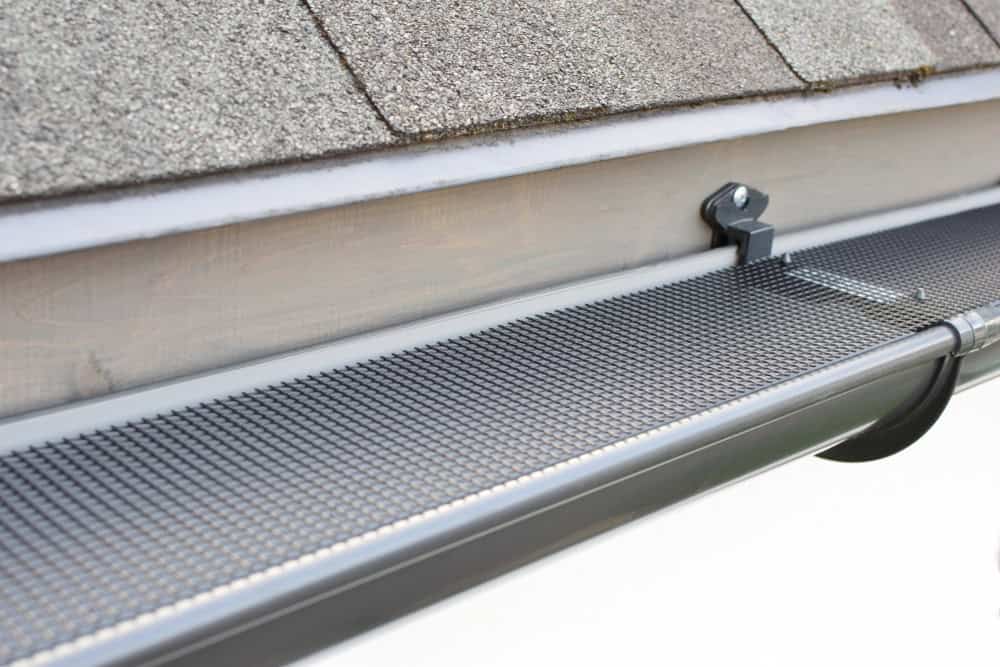
Cleaning gutters means getting on a ladder, which is where most homeowner injuries happen. Before you start, make sure your ladder is stable, positioned on firm ground, and tall enough that you’re not standing on the top two rungs. Have someone hold the ladder if possible. Wear gloves because gutter debris is full of bacteria, and safety glasses because you’ll be looking up while pulling down wet leaves and dirt.
Start at a downspout and work away from it. Use a small trowel or gutter scoop to remove debris, dropping it into a bucket hung from the ladder rather than throwing it on the ground. Once you’ve cleared a section, flush it with a hose to check that water flows freely toward the downspout. If water pools instead of flowing, your gutter pitch needs adjustment.
Check downspouts by running water through them. If water backs up or drains slowly, there’s a clog. You can sometimes clear it by feeding a plumber’s snake up from the bottom or by disconnecting the downspout and flushing it from the top. Stubborn clogs might need professional attention, especially if the downspout connects to an underground drainage system.
While you’re up there, inspect for damage. Look for cracks, rust spots, or sections pulling away from the fascia. Check that hangers are secure and spaced properly. Small issues like loose hangers or minor leaks at seams can usually be fixed quickly with sealant or new hardware. Larger problems like sagging sections or extensive rust mean it’s time to call a professional.
Don’t ignore the area around your foundation while you’re working. Make sure downspout extensions are in place and directing water at least six feet away from your house. Check that the ground slopes away from your foundation rather than toward it. Even perfect gutters can’t prevent water damage if your grading sends water back toward your basement.
Preventing Ice Dams and Winter Gutter Damage
Ice dams form when heat escaping from your attic melts snow on your roof. That melted water runs down to the cold edge of your roof and your gutters, where it refreezes. As more water melts and refreezes, a ridge of ice builds up. Eventually, water backs up behind that ridge and seeps under your shingles, causing leaks, mold, and sometimes serious structural damage.
Connecticut has seen a surge in ice dam claims recently, with average repair costs exceeding thirty thousand dollars. Inland areas like Windham County get hit harder because temperatures stay below freezing longer, giving ice dams more time to grow. The damage isn’t just to your roof—ice-filled gutters get heavy enough to pull away from your fascia, bending or breaking the entire system.
Prevention starts with your attic, not your gutters. Proper insulation keeps heat inside your home instead of letting it warm your roof. Adequate ventilation keeps your attic temperature close to outside temperature, so snow doesn’t melt unevenly. If your attic is poorly insulated or ventilated, you’ll keep fighting ice dams no matter how good your gutters are.
Clean gutters before winter hits. Leaves and debris trap water that freezes, creating the foundation for ice dams. Even small amounts of standing water can freeze and expand, cracking gutter seams or pushing sections loose. A thorough fall cleaning is one of the most effective ways to reduce winter damage.
Gutter guards help by keeping debris out, but they’re not magic. Some guards can actually trap ice and snow, making dams worse. The best guards for Connecticut winters are designed to allow snow to slide off while keeping leaves out. Heated cables installed along roof edges and in gutters can prevent ice formation in problem areas, but they add to your electric bill and need professional installation.
If you do get an ice dam, resist the urge to chip away at it with a hammer or shovel. You’ll damage your shingles and possibly your gutters. Instead, use a roof rake to carefully remove snow from your roof before it can melt and refreeze. For existing dams, call a professional who can safely remove the ice without destroying your roof in the process.
Protecting Your Connecticut Home with the Right Gutter System
Your gutters aren’t glamorous, but they’re working every time it rains, every time snow melts, and every time leaves pile up. The right system—properly installed and consistently maintained—prevents foundation damage, stops basement flooding, and protects your home’s structure for decades. The wrong system, or the right system that’s neglected, costs you thousands in repairs you could have avoided.
For New London and Windham County homes, that means choosing materials and installation that handle Connecticut’s weather extremes. It means cleaning at least twice a year and more often if you have trees. It means addressing ice dams before they destroy your roof and checking that water actually flows away from your foundation.
If you’re dealing with old gutters that sag, leak, or overflow, or if you’re tired of climbing ladders twice a year, we can help. We’ve been handling gutter installation and maintenance in New London County for over 20 years, and we understand exactly what Connecticut weather does to homes.