
Summary:
How Connecticut's Climate Affects Your Siding Choice
Connecticut’s coastal areas present unique challenges that many siding materials simply can’t handle long-term. In towns like Mystic, Old Saybrook, and Groton, coastal conditions—salt-laden air, high humidity, and powerful winds—can take a toll on your home’s exterior. Selecting the right roofing and siding materials is crucial, not only for aesthetics but also for long-term protection against the elements.
Salt air contains microscopic particles that settle on exterior surfaces, penetrate mechanical systems, and trigger chemical reactions that lead to corrosion. The damage isn’t always immediate, but over time, the effects become undeniable—and expensive. Even homes located further inland deal with significant temperature swings that cause materials to expand and contract, leading to cracks and premature failure.
The key is understanding which materials can withstand these conditions without requiring constant maintenance or early replacement.
Why Vinyl Siding Handles Coastal Connecticut Weather
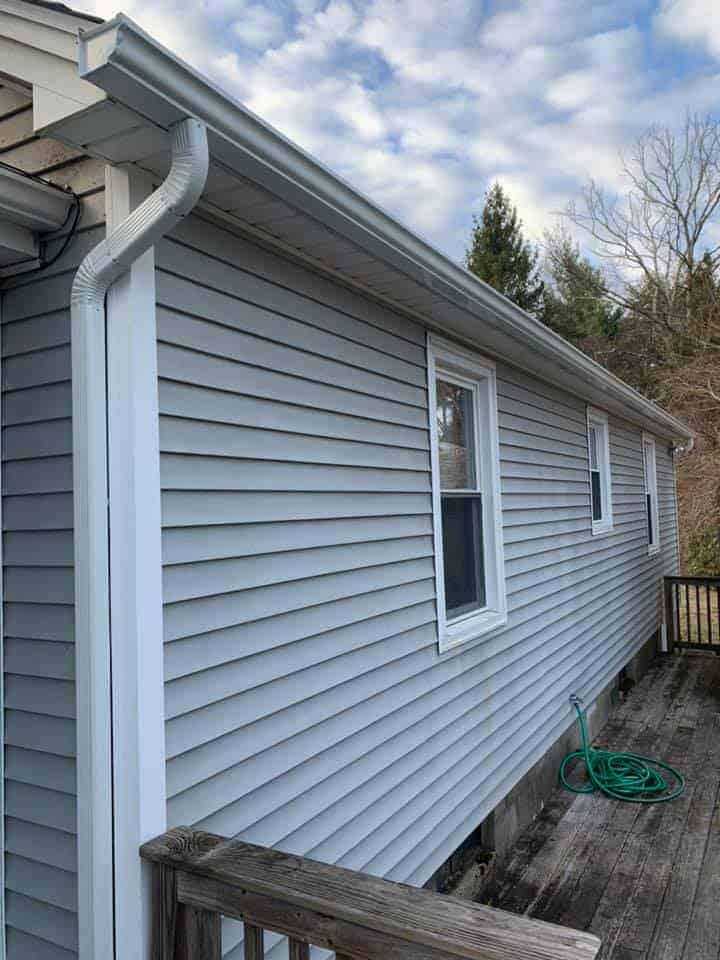
Quality vinyl siding performs well in coastal Connecticut when properly installed. Modern vinyl resists salt air corrosion, won’t rot like wood, and handles temperature swings without cracking. This makes it particularly well-suited for homes throughout New London and Windham counties.
Unlike wood siding that absorbs moisture and swells, or fiber cement that can crack under thermal stress, vinyl’s PVC composition remains stable. Coastal areas require siding that can handle salty air and wet conditions. Salt can wear down many building materials. Wood can warp and rot with exposure. But vinyl’s PVC base resists salt’s effects.
The material doesn’t absorb water, which means it won’t harbor mold or mildew like some alternatives. For coastal homeowners dealing with constant humidity, this resistance to moisture-related problems represents significant long-term savings. Annual cleaning with a garden hose removes salt residue and dirt – important in coastal areas like Groton Long Point. Occasional inspection for loose pieces or damage from storms, and keeping vegetation trimmed back from the siding. No painting, staining, or sealing required. Quality vinyl siding should look good for 20-30 years with just basic cleaning.
Proper installation remains critical, though. The key is choosing siding rated for our climate zone and installing it with proper expansion gaps – vinyl moves with temperature changes, and installers who don’t account for this create buckling problems.
Energy Efficiency Benefits You Can Actually Measure
Connecticut’s energy costs make insulation a practical concern, not just an environmental consideration. Most older homes in Groton Long Point have minimal wall insulation, and adding insulated vinyl siding can reduce heating and cooling costs by 15-25%. The key is proper installation – sealing gaps around windows and doors, installing continuous insulation, and eliminating thermal bridging. Just slapping siding over existing problems won’t help much, but a complete installation that addresses insulation and air sealing makes a noticeable difference in comfort and utility bills.
With an R-value of up to 4, insulated vinyl siding is by far the most energy-efficient option. It’s also among the most durable options. Unlike wood siding, vinyl doesn’t rot or swell, and it isn’t susceptible to pests like termites. This thermal performance becomes especially valuable during Connecticut’s temperature extremes.
The insulation backing also provides additional benefits beyond energy savings. It reduces exterior noise transmission and creates a more solid feel compared to standard vinyl products. Beyond potential energy savings, the foam backing enhances durability against impacts and weather conditions. The insulation layer also helps reduce exterior noise transmission and creates a more solid feel than standard vinyl products. In regions with temperature extremes, the improved thermal performance can enhance comfort while potentially reducing heating and cooling expenses over time. The improved rigidity also helps maintain its appearance longer than standard vinyl options.
Vinyl vs Fiber Cement vs Wood: The Real Comparison
Each siding material offers different advantages, but the differences become stark when you factor in Connecticut’s climate and long-term costs. When it comes to fiber cement siding versus vinyl, the biggest differences relate to their costs, aesthetics, and upkeep. Vinyl might be an affordable, low-maintenance option, but it doesn’t have the natural appearance of fiber cement (sometimes known as Hardie board).
The innovative composition of fiber cement siding yields another big advantage: longevity. When comparing the lifespan of fiber cement siding to vinyl, the difference is massive. Fiber cement siding can last upwards of 50+ years while standard vinyl siding can begin to show signs of aging after just 10-15 years in sunny climates. Many fiber cement siding manufacturers provide a basic 30-year warranty, which should spark extra confidence in the longevity of cement board siding.
However, this longevity comes with trade-offs that many Connecticut homeowners find significant.
Cost Reality: Upfront Investment vs Long-Term Value
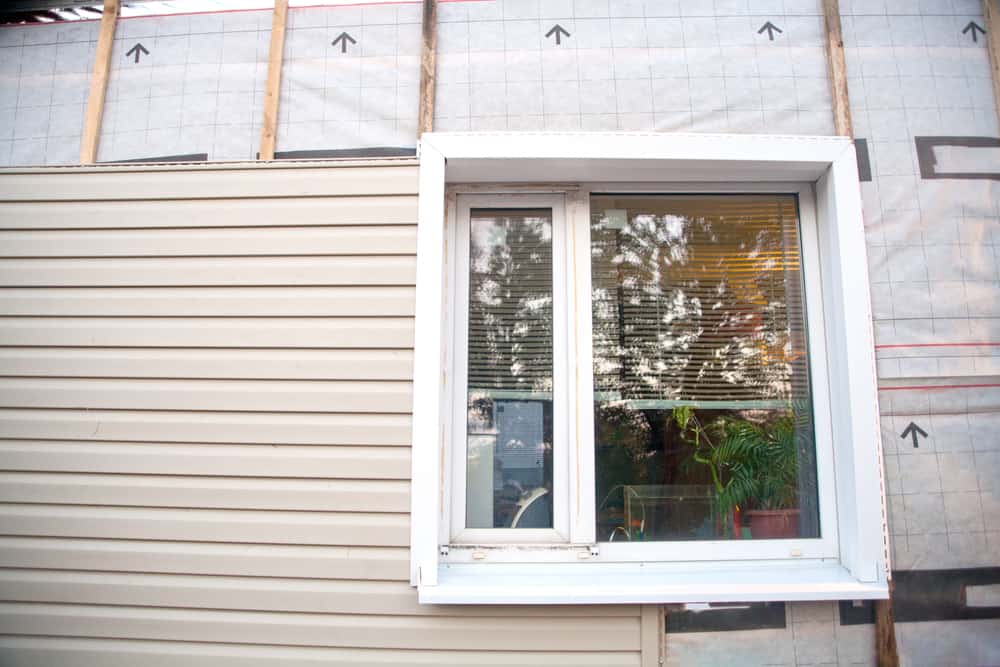
Based on our experience, the average cost that homeowners paid for vinyl siding in New London County is between $4,536.00 and $6,182.00. Compare this to fiber cement installation, which typically runs significantly higher due to both material costs and labor intensity.
Typically, fiber cement siding costs between $5 and $14 per square foot. The upfront material and installation costs might be more, but with the proper maintenance, fiber cement continues to look in good condition for longer than vinyl siding. Vinyl siding costs from $3 to $12 per square foot to purchase and install. While this affordable option won’t need repainting or re-caulking, keep in mind that it might need replacing before well-maintained fiber cement siding.
The cost equation becomes more complex when you factor in maintenance requirements. When it comes to siding maintenance, vinyl siding might be the best option if you’re not a fan of regular work. While it isn’t as high-maintenance as wood siding, fiber cement siding still needs more maintenance than vinyl. To keep it looking tidy and to extend its longevity, it needs a scrub down to clean at least annually and repainted every decade or so when fading becomes noticeable. It may also need periodic re-caulking to prevent water ingress.
For many Connecticut homeowners, especially those in coastal areas, the combination of lower upfront costs and minimal maintenance makes vinyl siding more practical than premium alternatives. Most manufacturers even offer lifetime warranties for their vinyl sidings. Vinyl can withstand extreme weather conditions and most vinyl siding products are tested to survive wind speeds of up to 110 mph. They can endure long exposure to sun during hot summer days and sub-zero temperatures every winter. Vinyl also has high color retention which makes it highly resistant to fading.
Wood and Composite: Why They Don't Work for Coastal Connecticut
Wood siding might offer natural beauty, but Connecticut’s coastal climate makes it a poor choice for most homeowners. Steer clear of wood, which can absorb excess moisture from the air and cause the siding to weaken and rot. Even moisture on the surface can lead to damage in the form of mold and mildew growth, which is common with vinyl siding and other plastic-based exteriors as well.
Properly maintained cedar and redwood siding can last 20-30 years in coastal settings. Without regular treatment, lifespan drops dramatically to 7-10 years due to salt corrosion and moisture damage. The north-facing sides of your home often last longer, as southern exposures face accelerated UV degradation and moisture cycling.
Composite siding offers some improvements over natural wood, but still faces challenges in our climate. Composite siding has emerged as a go-to option for coastal homeowners seeking durability without sacrificing aesthetics. This engineered material combines wood fibers with plastic polymers to create a robust siding solution that stands up to harsh seaside elements. Composite siding is specifically engineered to resist salt spray, moisture, and UV rays that plague coastal areas.
However, composite still requires more maintenance than vinyl and comes at a higher cost. For Connecticut homeowners looking for the best balance of performance, cost, and maintenance requirements, vinyl siding consistently emerges as the most practical choice.
Making the Right Choice for Your Connecticut Home
The best siding choice depends on your specific situation, but for most Connecticut homeowners, especially those dealing with coastal conditions, vinyl siding offers the most practical combination of performance and value. The best siding for coastal homes is fiber cement siding—specifically Hardie Board—because it offers unmatched durability, moisture resistance, and design flexibility in harsh marine environments. While this might be true in terms of pure performance, the cost and maintenance differences make vinyl siding the smarter choice for many families.
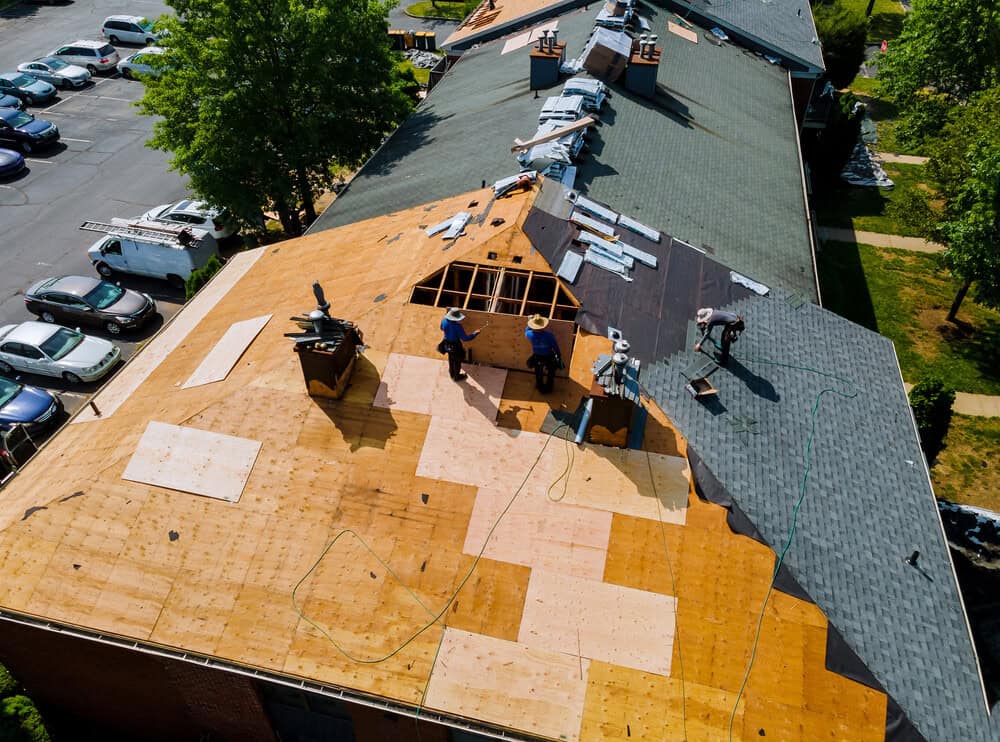
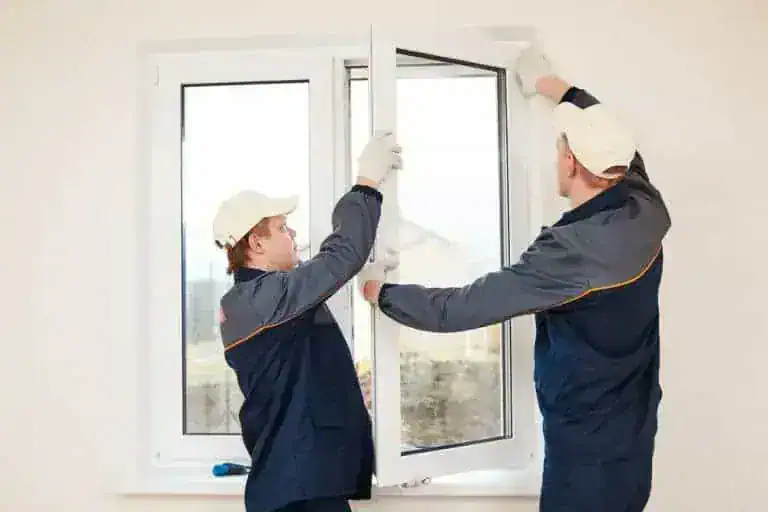
Proper installation sequence is key: replace the roof first, then windows, followed by siding, and finally gutters to avoid rework and potential damage. Start by installing the new roof . This step provides a solid foundation for the rest of the exterior renovations. Finally, add the gutter system to ensure proper water drainage and protection for your home’s exterior. When you’re ready for siding replacement, it’s also the perfect time to inspect your roof and gutters to ensure your entire exterior system works together effectively.
If you’re considering new siding for your Connecticut home, we can help you evaluate your options and ensure proper installation that will protect your investment for decades to come.