Summary:
How to Spot Hidden Storm Damage After Connecticut Weather Events
Just because your roof looks fine from your driveway doesn’t mean it is—some damage like lifted shingles, cracked flashing or soft spots can only be seen up close or with proper inspection tools. Connecticut’s coastal storms create unique damage patterns that aren’t always obvious right away.
Most roof problems here start small but escalate quickly because a loose shingle that might last years in milder climates becomes a major leak after one Connecticut winter, since our weather doesn’t give damaged roofs time to recover between storms. The combination of salt air, temperature swings, and frequent severe weather means even minor damage needs immediate attention.
Warning Signs Homeowners Miss After Nor'easters and Coastal Storms
After significant storms, check for debris around your property—branches, leaves, or materials scattered around often mean something hit your roof during high winds, with missing or damaged shingles creating dark patches visible from the ground, but real damage often not obvious without professional inspection.
Check ceilings for water stains appearing as yellow or brown rings, look for bubbling paint, sagging drywall, or damp spots, as these roof leak indicators may not appear immediately and require continued monitoring for several days. Don’t ever ignore faint yellow or brown spots on your ceiling or walls, as even small stains can signal slow leaks that seep through insulation.
Key signs include missing or damaged shingles, clogged or detached gutters, moisture buildup in the attic, water stains on ceilings or walls, and peeling paint near the roofline—blistering or peeling paint indicates underlying problems with roof ventilation, as trapped moisture causes paint to bubble and peel, with storms exacerbating these issues.
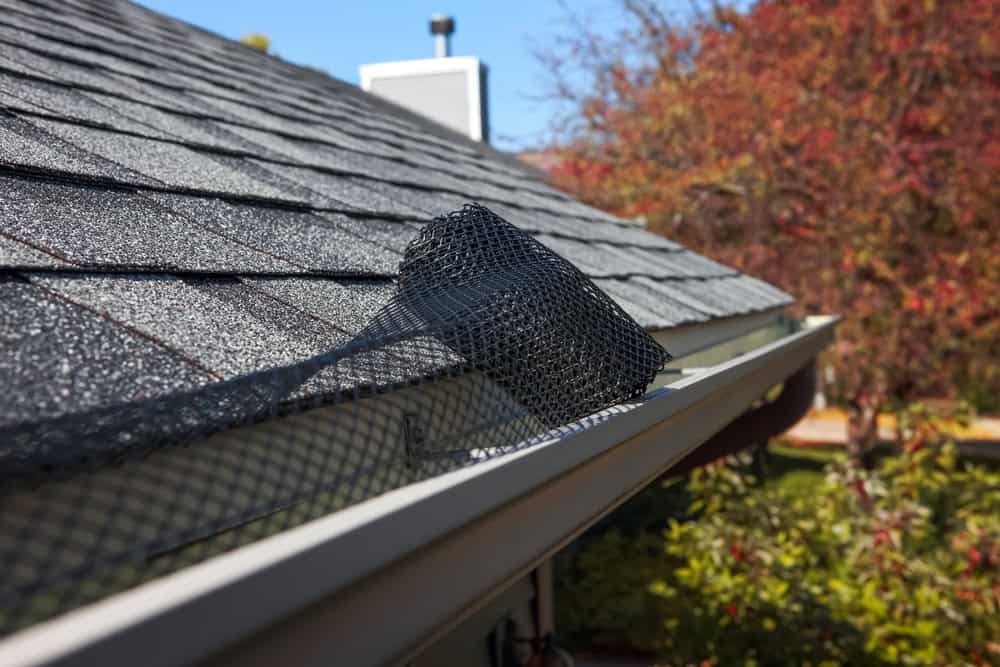
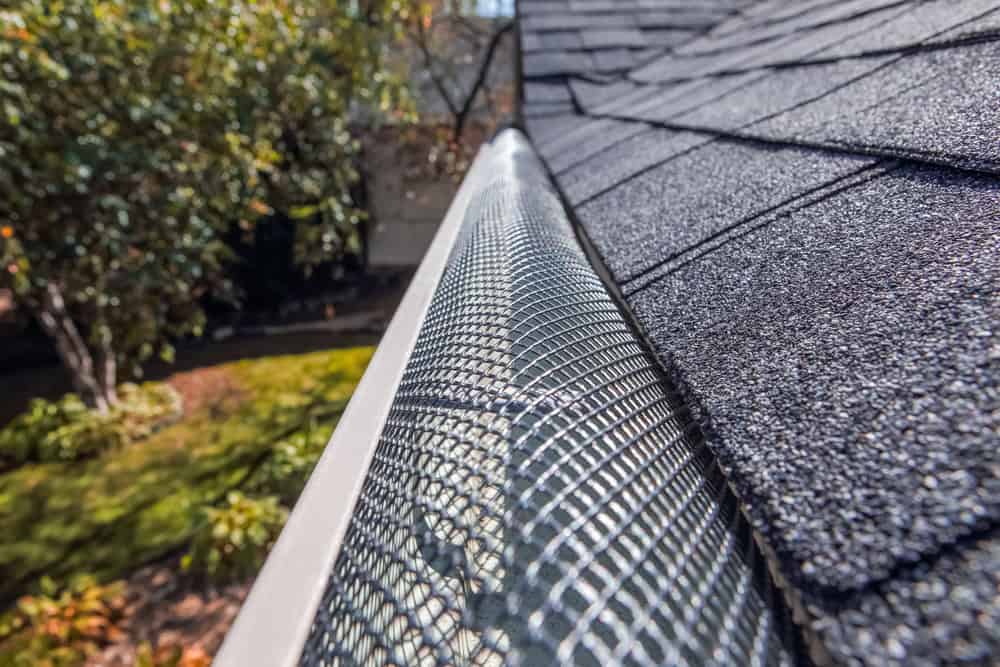
Storm winds often yank gutters out of alignment, and if your gutters are sagging or spilling over, they’re not doing their job and can lead to water backing up under your roofline. Check downspouts for dents above 5 feet (so it can’t be blamed on a lawnmower) as collateral damage indicators.
Interior warning signs are equally important. Your attic should be dry and odor-free, with a musty smell usually signaling problems, and if insulation feels damp, you may already have hidden roof damage. A damaged roof compromises insulation, making your HVAC system work way too hard, so if energy bills suddenly spike without explanation, the roof could be the culprit.
Professional Roof Inspection vs DIY Assessment After Storm Damage
For safety and a more thorough inspection, especially after hail or windstorms, hire a licensed roofing contractor, as storm damage may not always be visible from the ground. It’s hard to know the level of damage before checking things out, but going up on roofs is extremely dangerous—water leaks and significant water damage can make roofs unstable, and going up on an unstable roof could end much worse than needing repair or replacement, so keep yourself safe and leave inspections to professionals.
As soon as we get on your roof, we inspect shingle condition, looking for missing, lifted, or creased shingles from wind damage, and for hail damage we look for dings or dents large enough to damage shingles plus signs of granule loss from hail continuously hitting your roof—if we find any of this damage, your roof’s integrity is compromised and should warrant a claim.
After shingles, we examine other roof components, with the most common damage areas being roof flashing and roof vents—we look at roof vents for dents showing clear hail damage signs and inspect roof flashing and any other metal for dents and dings, because if hail was strong enough to dent the metal, your roof will definitely have damage in other areas.
Professional roof inspection provides detailed documentation crucial for insurance claims, with licensed roofers able to identify subtle damage homeowners might miss and provide accurate repair estimates. During storm damage inspection, insurance companies need clear evidence for claims, so we take pictures of damage we notice as proof, including collateral damage on the ground and roof damage, photographing any roof areas with missing shingles, granule loss, hail marks, dents in metal, and anything else that looks like possible storm damage.
Connecticut Insurance Claims Process for Storm Damage
If your roof is damaged, acting quickly can improve your chances of getting coverage—take clear photos and videos of the damage, note the date and cause of the incident, call your insurer and report damage ASAP, and ask what documentation is required. Notify your insurance company as soon as possible to start the claims process, be prepared to provide details about the damage and any preventative measures you’ve taken, as your insurance company may send an adjuster to assess the damage.
Insurance doesn’t always cover water damage if you don’t act fast, with most policies requiring you to take ‘reasonable steps to prevent further damage’ including scheduling prompt roof inspection and installing tarps if necessary—if you delay, the insurance company might call it ‘neglect’ and deny the claim.
What Connecticut Homeowners Insurance Actually Covers for Roof Damage
If you’re a Connecticut homeowner, your home insurance policy typically covers roofing damage caused by storms, vandalism, and accidental incidents, but there are limitations and exclusions that could affect coverage—most homeowners’ insurance policies cover roof damage if it results from sudden and accidental events rather than normal wear and tear.
Coverage includes blown-off shingles, roof deck damage , and leaks caused by high winds, common after hurricanes, nor’easters, and strong storms in Connecticut—hail damage is one of the most frequent insurance claims in CT, covering damage like dents, cracks, and granule loss on shingles, plus roof collapses caused by heavy snowfall or ice dams forming on the roof edge.
There are two ways insurance might pay for roof claims: Actual Cash Value (ACV) pays what your roof is worth right now based on age and wear, while Replacement Cost Value (RCV) pays the full cost to replace the roof minus your deductible—older roofs usually get ACV, which means you might not get enough to pay for a brand-new roof, and your policy will have a deductible you must pay before insurance helps.
Standard homeowners’ insurance does NOT cover flooding—you’ll need separate flood insurance policy, earthquake-related roof damage requires separate earthquake coverage, and deliberate roof destruction and damage caused by war, nuclear hazards, or government seizures are not covered. Even if you bought an RCV policy, there may be other limits on what the policy pays for damage to certain surfaces like roofs—in some cases, the policy may pay ACV on your roof but RCV on the rest of your home and property.
How to File Storm Damage Claims That Actually Get Approved
The first and most critical step is to thoroughly document any damage to your roof, including taking clear photos and videos from multiple angles to provide visual evidence of the extent of damage, ensuring documentation is date-stamped to establish when damage occurred. Before filing a claim, carefully review your homeowners’ insurance policy to understand coverage details, and if you have questions about your policy, don’t hesitate to reach out to your insurance agent for clarification.
Once you have documented damage and reviewed your policy, promptly contact your insurance company to initiate the claims process, provide them with detailed description of damage and share the documentation you’ve collected—they will guide you through next steps, which may include sending an adjuster to assess damage in person.
It’s beneficial to have a roofing contractor present during the inspection to ensure all damages are properly evaluated—once the insurance adjuster assesses damage, they will provide a claim estimate, so compare this with your policy coverage to ensure you’re getting maximum benefit, and if you disagree with the estimate, you can request a second inspection or work with a public adjuster.
Most policies require filing within 12–24 months of the event, so don’t delay—insurance companies look for photos, estimates, and professional assessments, and policies have strict deadlines, so act early to avoid denial. A roofer acts as your advocate, pointing out all areas of damage and ensuring nothing is missed, as adjusters are trained by insurance companies, not roofing standards—so having a contractor on-site helps protect your best interests and can significantly impact the outcome of your claim.
Delaying action leads to undetected leaks causing mold and damaged ceilings with costly repairs, weakened roof structure requiring full replacement, out-of-pocket costs for repairs that could have been covered by insurance, and insurance complications where too much time passing may result in coverage denial for storm-related issues—by filing a claim immediately after a storm, you protect your property and your wallet.
Professional Storm Damage Assessment and Repair in New London County
Connecticut’s storm frequency means a roof compromised by one event becomes much more vulnerable to the next, with what starts as minor wind damage becoming major water damage within weeks if the next storm finds those compromised areas—professional assessment catches all the damage, not just what’s visible, preventing small problems from becoming expensive disasters.
Connecticut’s challenging weather makes professional expertise especially important because our climate punishes poor workmanship and shortcuts mercilessly—the right repair approach fixes current problems while preventing future issues, giving you confidence your roof will handle whatever weather comes next, and professional repairs also maintain warranty coverage and support insurance claims when storm damage occurs.
When you need reliable storm damage assessment and repairs that actually protect your investment, we bring the local expertise and comprehensive approach New London County homeowners depend on during Connecticut’s challenging weather seasons.