Summary:
How Connecticut Weather Tests Your Gutter System
Connecticut throws everything at your gutters. Heavy spring rains that test capacity. Summer storms that drop massive amounts of water fast. Fall leaves that clog systems when you need them most.
Then winter arrives with its freeze-thaw cycles and ice dam potential. Your gutters either handle it all, or they become part of the problem. The difference comes down to proper design, quality materials, and installation that accounts for local conditions.
Why Ice Dams Form and How Gutters Prevent Them

Ice dams start when heat from your home melts snow on the roof. That water runs down until it hits the cold gutters and refreezes, creating a barrier that blocks additional water flow.
The backed-up water has nowhere to go except under your shingles and into your home. Once that happens, you’re looking at damaged ceilings, ruined insulation, and potential mold problems that can cost thousands to fix.
Proper gutters prevent this cycle by ensuring water flows away from your home efficiently. They’re sized correctly for your roof area and positioned to handle Connecticut’s typical snow loads without sagging or separating. The key is having gutters that maintain proper flow even when temperatures fluctuate.
When gutters are too small, poorly installed, or clogged with debris, they can’t handle the volume of melting snow. Water backs up, refreezes, and creates the exact conditions that lead to ice dam formation. Quality gutter systems eliminate this problem by maintaining consistent water flow regardless of weather conditions.
Foundation Protection Starts with Proper Water Management
Water pooling around your foundation isn’t just unsightly—it’s expensive. When gutters overflow or fail, water soaks the ground around your home’s base, leading to erosion, settling, and potential structural problems.
Connecticut’s clay-heavy soils make this even more problematic. Water doesn’t drain away naturally, so every overflow event adds to the problem. Over time, you’re looking at foundation cracks, basement leaks, and landscape damage that could have been prevented.
Properly installed gutters direct water at least ten feet away from your foundation through correctly positioned downspouts and extensions. This isn’t just about moving water—it’s about moving it to specific locations where it won’t cause problems later.
The investment in quality gutters and proper installation pays for itself by preventing much more expensive foundation repairs. When water flows where it’s supposed to go, your foundation stays stable, your basement stays dry, and your landscaping stays intact. It’s preventive maintenance that actually prevents problems rather than just delaying them.
Seamless Gutters vs Traditional Systems in Connecticut
Sectional gutters have joints every ten to twenty feet where pieces connect. Those joints are where most problems start—they leak, separate, and collect debris that creates clogs.
Seamless gutters eliminate most of these failure points by running continuously from corner to corner. Fewer joints mean fewer places for Connecticut’s freeze-thaw cycles to create problems, and better water flow when storms hit hard.
Why Gutter Guards Matter for Connecticut Homeowners

Connecticut’s tree coverage creates constant gutter maintenance challenges. From spring’s maple helicopters to fall’s heavy leaf drop, unprotected gutters quickly become overwhelmed with debris that blocks water flow.
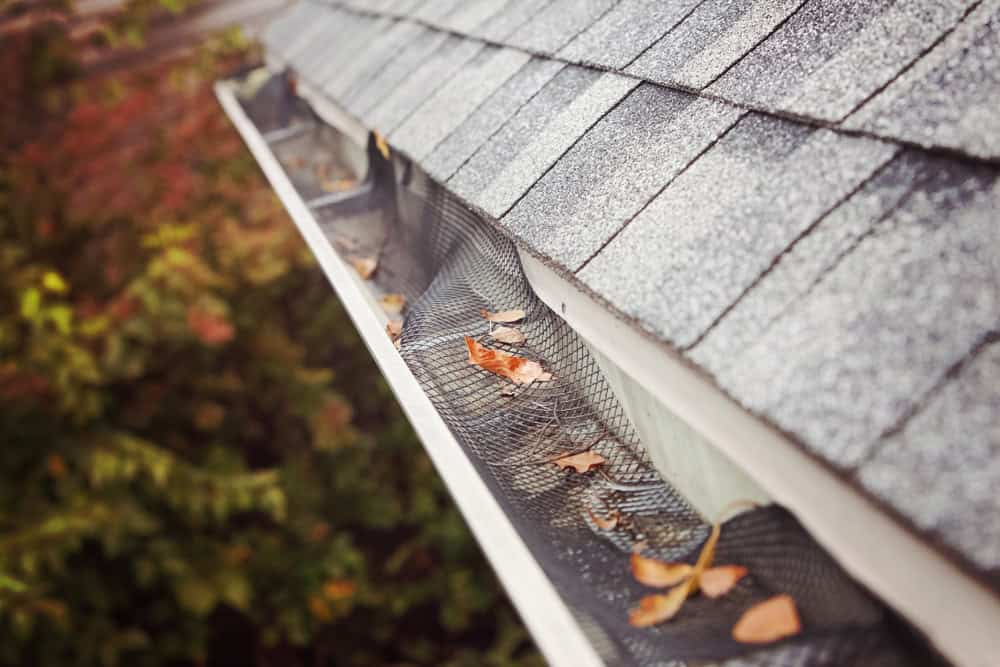
Gutter guards create a physical barrier that allows water to flow while keeping leaves, twigs, and other debris out. This dramatically reduces maintenance needs while ensuring your gutters can handle heavy rainfall when it matters most.
The key is choosing guards designed for Connecticut’s specific challenges. Cheap screens often create more problems than they solve, allowing small debris through while creating ice dam issues in winter. Quality guard systems are engineered to handle our seasonal weather patterns.
Professional installation matters here too. Guards need to be positioned correctly to maintain proper water flow while effectively blocking debris. When installed properly, quality gutter guards can reduce cleaning needs from multiple times per year to occasional maintenance, while ensuring your system works when you need it most.
Sizing Your Gutters for Connecticut Weather Patterns
Most Connecticut homes need either 5-inch or 6-inch gutters depending on roof size and pitch. The choice isn’t arbitrary—it’s based on how much water your roof sheds during heavy storms and how quickly it needs to be moved away.
Undersized gutters overflow during heavy rains, creating the same problems they’re supposed to prevent. Oversized gutters cost more than necessary and can look disproportionate to your home’s architecture. The sweet spot is sizing based on your specific roof area and local rainfall data.
Steeper roofs and larger surface areas typically require 6-inch gutters to handle peak water flow during Connecticut’s intense summer thunderstorms. The calculation involves your roof’s square footage, pitch, and local weather patterns—not guesswork.
We measure and calculate the right size during initial assessment. We consider factors like your home’s architecture, local weather patterns, and how water currently flows off your roof. This ensures your new gutter system handles whatever Connecticut weather brings without being oversized for your needs.
Protecting Your Connecticut Home Investment
Your gutters either protect your home or become part of the problem. There’s no middle ground when Connecticut weather hits hard. Quality gutters, properly installed, handle everything from summer downpours to winter ice without creating expensive headaches.
The investment in professional installation and quality materials pays for itself by preventing much more costly water damage, foundation problems, and ice dam repairs. When you choose contractors who understand Connecticut’s specific challenges, you get systems designed to last decades.
We’ve been handling gutter installations throughout Connecticut for over 20 years. We understand what works in our climate and what doesn’t, ensuring your investment protects your home through every season.