
Summary:
Why Older Connecticut Homes Need Window Replacement
Homes built in 1972 or earlier make up a significant portion of New London County’s housing stock, and most of these properties still have their original windows or outdated replacements that simply don’t meet today’s energy standards.
Connecticut residents face higher energy costs than most states, with up to 30% of heating and cooling energy lost through inefficient windows. When you combine expensive energy with old, drafty windows, you’re looking at substantial monthly losses that add up quickly over time.
The problem isn’t just about money. Connecticut’s climate demands windows that can handle everything from humid summers to frigid winters, and older windows simply weren’t designed for this kind of performance consistency.
Signs Your Windows Need Replacement in Connecticut Homes

If you’re feeling drafts, seeing condensation between glass panes, or struggling to open and close windows, replacement is usually the better investment. These aren’t minor inconveniences—they’re symptoms of windows that have reached the end of their useful life.
Windows over 15-20 years old, especially single-pane models, typically cost more to heat and cool than they’re worth keeping. You might think you’re saving money by avoiding replacement, but you’re actually spending more on energy costs than you’d invest in new, efficient windows.
Connecticut homeowners often notice these problems become more pronounced during seasonal transitions. When your heating system kicks on in fall and you immediately feel cold air around window frames, or when summer humidity creates condensation issues, these are clear indicators that your windows are failing to do their job. The temperature differences between indoor and outdoor air make window performance problems more obvious here than in milder climates.
Modern diagnostic tools can reveal air leakage that you might not even feel. We use professional assessment techniques to identify exactly where your home is losing conditioned air, and windows are often the primary culprit. It’s common to find issues like rot, settling, or previous poor installation work when removing old windows, which explains why energy loss problems often get worse over time rather than staying stable.
Energy Costs and Window Performance in Connecticut
New London County homeowners replacing single-pane windows can see up to 22% reductions in heating and cooling costs annually. That’s not marketing hype—that’s documented savings that show up on your utility bills month after month.
Connecticut homeowners typically see 10-25% reductions in heating and cooling costs after replacing old, drafty windows with energy-efficient models, with homes having single-pane windows or windows over 15 years old seeing the biggest improvements. With Connecticut’s energy costs, these savings add up significantly over time, often paying for a portion of the window investment within a few years.
The financial impact becomes even more compelling when you factor in available incentives. Connecticut offers a $100 per window rebate for ENERGY STAR triple-pane installations, plus federal tax credits worth 30% of installation costs up to $600. These programs exist because energy-efficient windows deliver proven results.
Your current windows might be working against your HVAC system in ways you don’t realize. Old windows with poor seals force heating and cooling systems to work overtime, especially during New London County’s temperature extremes. This creates a cycle where your equipment works harder, uses more energy, and wears out faster—all while failing to maintain comfortable indoor temperatures.
The performance difference between old and new windows becomes most apparent during Connecticut’s peak energy usage periods. Winter heating bills spike when single-pane windows allow heat to escape freely, while summer cooling costs climb when inefficient windows let hot air infiltrate your home. Energy Star data shows annual savings between $125 to $465 just by installing new windows with higher efficiency ratings, making replacement a smart financial decision even before considering comfort improvements.
Professional Window Installation Makes the Difference
It doesn’t matter how energy-efficient your windows are if they aren’t installed correctly. The installation process determines whether your new windows will deliver the performance and energy savings you’re expecting, or become another source of problems down the road.
Professional installation becomes even more critical for older home construction, ensuring new windows meet current energy codes while avoiding costly mistakes that lead to air leaks, water damage, and premature window failure.
When you’re dealing with New England weather extremes, installation details matter—the way flashing is installed, how the frame is sealed, whether we understand local building requirements.
What Professional Installation Includes in Connecticut
We handle permits, follow local building codes, and ensure every installation is weatherproofed for Connecticut’s climate. Working with contractors who live and work locally means understanding exactly what windows need to handle.
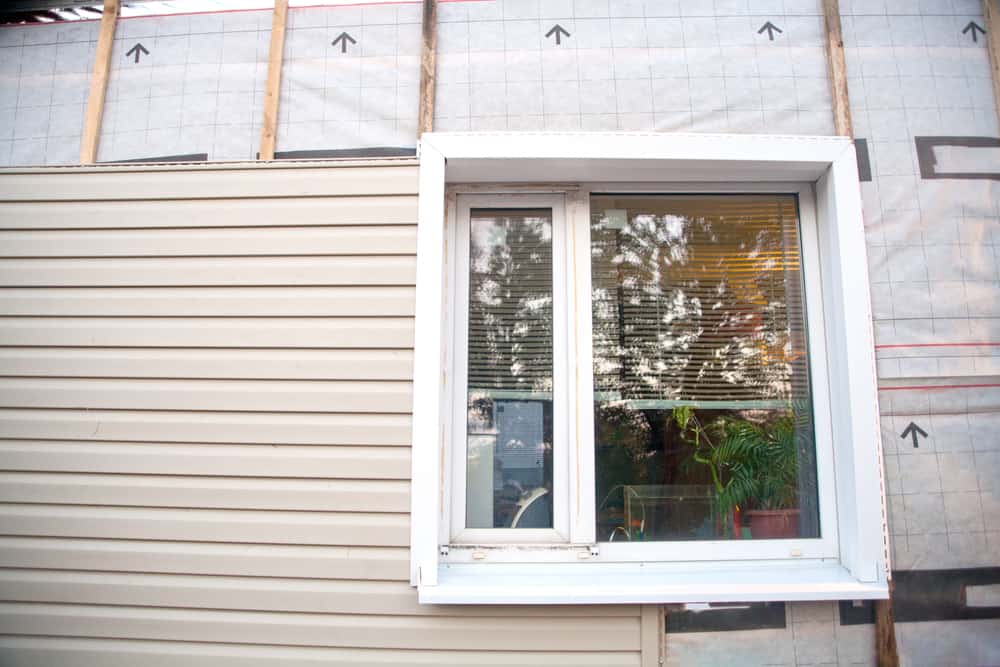
The installation process starts with proper measurement and assessment. Proper fit is everything in window installation, requiring precise measurements that we verify before ordering windows. Installation day starts with protecting your home through covering floors, moving furniture, and setting up to minimize disruption, with each window removed carefully to avoid wall or trim damage, and new windows installed with proper shimming, sealing, and weatherproofing.
Professional installation applies specialized sealants for airtight, energy-efficient seals, ensures windows are perfectly level, square, and centered, seals each fastener for maximum protection against water and air leaks, and thoroughly tests each window for smooth operation and proper sealing before completion.
Connecticut’s building requirements add another layer of complexity that we understand. Most standard window replacements don’t require permits when replacing existing windows with similar sizes, but changing window sizes, adding new windows, or doing structural modifications typically require permits, which we handle while ensuring all work meets local building codes.
The weatherproofing aspect becomes particularly important in coastal areas of New London County. Vinyl and fiberglass windows perform exceptionally well in coastal climates, resisting salt air corrosion, handling humidity without warping, and providing excellent insulation against temperature extremes, with double or triple-pane glass and low-E coatings helping with energy efficiency during both hot summers and cold winters.
Avoiding Common Installation Problems
Poor installation by contractors who don’t understand Connecticut’s demands leads to problems, which is why we focus on getting it right the first time using methods that hold up to everything from nor’easters to humid summers.
Professional window installation rarely causes wall damage when done correctly, but we’re prepared for any issues that arise. We sometimes discover rot or structural problems around old windows that weren’t visible beforehand, and we discuss any findings immediately and provide options for repairs.
Temperature and weather considerations play a crucial role in installation quality. Windows can be installed in winter, but weather conditions affect scheduling and approach, with mild winter days working fine but avoiding work during storms, extreme cold, or conditions that could compromise installation quality, requiring extra care to minimize heat loss and using temporary coverings when needed.
The long-term performance of your windows depends heavily on installation techniques that account for Connecticut’s climate patterns. Proper installation requires careful attention to details affecting long-term performance—proper drainage, adequate insulation, and installation techniques that account for seasonal expansion and contraction in Connecticut’s climate. This level of detail separates professional installation from quick, cheap jobs that create problems later.
We also understand the importance of working with quality materials and proper sequencing. Every installation includes proper weatherproofing, insulation, and sealing to Connecticut standards, handling all details from protecting landscaping during installation to ensuring trim work matches your home’s existing style, resulting in windows that operate smoothly, seal properly, and look right for your home’s architecture.
Making the Right Choice for Your Connecticut Home
Window replacement delivers measurable results when done right. You’ll see immediate improvements in comfort, with fewer drafts and more consistent temperatures throughout your home. The energy savings show up on your next utility bill and continue month after month for years to come.
Quality window installation is an investment that pays dividends in comfort, energy savings, and home value, with the key being working with experienced professionals who understand Connecticut’s climate demands and installation requirements, getting detailed estimates that include materials, installation, and warranty information, and looking for contractors with strong local reputations, proper licensing and insurance, and experience with your specific window type and home style.
For homeowners in New London County and Windham County dealing with old, inefficient windows, the time to act is now. Every month you wait is another month of higher energy bills and reduced comfort. Sullivan Contracting brings the expertise, local knowledge, and professional installation that makes window replacement a smart investment in your home’s future.